How Many Miles Is a 10K?
The perfect step up from 5K — a serious but achievable challenge
Quick answer: 6.2 miles (6.214 exactly). Keep reading for the full breakdown.
A 10K is 6.2 miles, or 6.214 miles if you want to be exact. That is 10,000 meters, which is why it is called a 10K. It is exactly double a 5K and the second most popular race distance in the world. About 2 million people finish a 10K in the US every year, and the distance has a special place in running culture because it sits right in the sweet spot between "I can wing this" and "I need to actually train."
If you have ever run a 5K and thought "that was hard but I could probably do more," the 10K is your next step. It is long enough that you cannot just sprint through it, but short enough that you do not need months of dedicated marathon training. Most people who can comfortably run a 5K can work up to a 10K in six to eight weeks.
⏱️ 10K Pace Chart
Your 10K pace will almost always be slower than your 5K pace, usually by 15 to 30 seconds per mile. That is normal and expected. Here is what different paces look like over the full 6.2 miles:
| Pace (min/mile) | Finish Time | What that looks like |
|---|---|---|
| 6:00 | 37:17 | Competitive club runner, winning local races |
| 7:00 | 43:29 | Experienced runner who trains 4-5 days a week |
| 8:00 | 49:43 | Solid recreational runner, probably ran cross country in school |
| 9:00 | 55:56 | Average runner, comfortable but working hard |
| 10:00 | 1:02:08 | Newer runner or someone taking it easy |
| 11:00 | 1:08:21 | Run/walk strategy, totally fine and very common |
| 13:00 | 1:20:47 | Walking the whole thing, which absolutely counts |
📊 What Is a Good 10K Time?
Based on data from millions of race results, the average 10K finish time is about 56 minutes for men and 65 minutes for women. But "average" includes everyone from serious runners to people doing their first race ever, so do not beat yourself up if you are above that number. If you finish under 50 minutes as a recreational runner, you are doing genuinely well. Under 45 minutes puts you in the top 20% or so of all finishers.
The world records are almost incomprehensible. Joshua Cheptegei ran 26:11 in 2020 and Beatrice Chebet ran 28:54 in 2024. That means Cheptegei covered 6.2 miles at a pace of 4:13 per mile, a speed that most recreational runners cannot hold for a single mile, let alone 6.2 of them back to back.
🏋️ Training for Your First 10K
If you can already run a 5K without stopping, you are closer than you think. Most beginner 10K plans are 8 to 10 weeks long and follow a simple pattern: three runs per week, with one of them being a "long run" that gradually increases from about 4 miles to 7 miles. The other two runs stay shorter and easier. You do not need to run the full 6.2 miles before race day. If your longest training run hits 5 to 5.5 miles, the race day energy and adrenaline will carry you the rest of the way.
The most common mistake first-timers make is starting the race too fast. You feel great for the first mile, so you push the pace, and then mile 4 hits you like a wall. The fix is simple: run the first half slower than you think you should. If you feel like you are holding back at mile 3, you are doing it right.
🔥 Calories, Steps, and the "10,000 Steps" Myth
A 10K burns approximately 600 to 800 calories depending on your body weight, which works out to roughly 100 calories per mile regardless of how fast you go. Running burns slightly more than walking the same distance because of the higher impact forces, but the difference is smaller than most people think.
In terms of steps, a 10K is about 12,000 to 14,000 steps if you run it and 14,000 to 16,000 steps if you walk it. That is well above the famous "10,000 steps a day" target, which, by the way, was not based on science at all. It originated from a 1965 Japanese pedometer called the Manpo-kei, which translates to "10,000 steps meter." The number was chosen because the Japanese character for 10,000 looks like a person walking. Researchers have since found that the real health benefits plateau around 7,000 to 8,000 steps per day.
🏁 How 10K Compares to Other Distances
| Distance | Miles | Average finish | Training needed |
|---|---|---|---|
| 5K | 3.1 | 30 min | 6 to 9 weeks from scratch |
| 10K | 6.2 | 60 min | 8 to 12 weeks |
| Half marathon | 13.1 | 2 hours | 12 to 16 weeks |
| Marathon | 26.2 | 4.5 hours | 16 to 24 weeks |
The 10K is the distance where running starts to become a real endurance sport. A 5K is short enough that you can gut your way through on willpower alone. A 10K requires you to actually manage your effort and think about pacing. It is excellent preparation if you are considering a half marathon down the road.
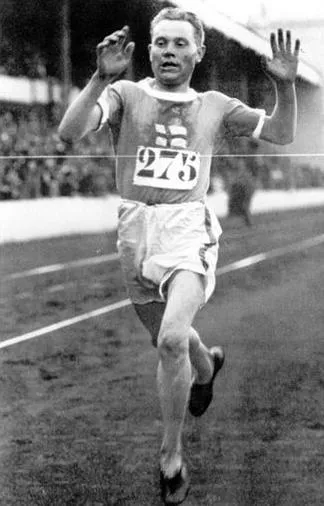
🏅 The 10K Was an Olympic Event Before the Marathon
The 10,000 meters has been a staple Olympic event since 1912, while the marathon only became a permanent fixture after 1908. The legendary Finnish runner Paavo Nurmi (pictured at the 1920 Antwerp Olympics) won the Olympic 10K in 1920 and 1928 and is still considered one of the greatest distance runners ever. The event has been dominated by East African runners since the 1990s, with Ethiopian and Kenyan athletes winning every Olympic gold from 1992 to 2024. The current world record of 26:11 by Joshua Cheptegei means he ran each of the 6.2 miles in about 4:13, a pace that most recreational runners cannot sustain for even a single mile.
Join the conversation
Already have an account? Log in