How Many Miles Is a 5K?
The world's most popular race distance, decoded
Quick answer: 3.1 miles (3.107 exactly). Keep reading for the full breakdown.
A 5K is 3.1 miles. More precisely it is 3.107 miles, or 5,000 meters, which is where the name comes from. It is the most popular race distance in the world, and there is a good reason for that. A 5K is long enough to feel like a real accomplishment but short enough that almost anyone can finish one with a few weeks of preparation. Over 8 million people complete a 5K race in the US every year.
If you are not a runner and 3.1 miles sounds intimidating, think of it this way: it is about the distance from your house to the grocery store and back in most suburbs. It is a 30 minute walk at a brisk pace, or about 20 to 35 minutes of jogging depending on your fitness level. Millions of people who never considered themselves athletes have crossed a 5K finish line, and many of them say it was one of the most satisfying things they have ever done.
⏱️ 5K Pace Chart
Your pace per mile determines your finish time. Here is what different paces look like over the full 3.1 miles, along with what each pace actually feels like in practice:
| Pace (min/mile) | Finish Time | What that feels like |
|---|---|---|
| 6:00 | 18:38 | Competitive club runner, winning age group awards |
| 7:00 | 21:44 | Experienced runner who trains regularly, breathing hard |
| 8:00 | 24:51 | Solid recreational runner, comfortably uncomfortable |
| 9:00 | 27:58 | Average runner, working hard but sustainable |
| 10:00 | 31:04 | Newer runner or easy training pace for experienced ones |
| 11:00 | 34:11 | Mixing running and walking, totally normal strategy |
| 12:00 | 37:17 | Brisk walking with maybe a few jogging intervals |
| 15:00 | 46:36 | Comfortable walking pace, enjoying the scenery |
📊 What Is a Good 5K Time?
According to RunRepeat, which analyzed over 100 million race results, the average 5K finish time is about 28 minutes for men and 34 minutes for women. But these averages include everyone from ex-college athletes to people running their first race ever, so they do not tell the whole story. Here is a more useful breakdown by age:
- Age 20 to 29: Men average about 25 minutes, women about 30 minutes
- Age 30 to 39: Men about 27 minutes, women about 32 minutes
- Age 40 to 49: Men about 28 minutes, women about 34 minutes
- Age 50 to 59: Men about 31 minutes, women about 37 minutes
- Age 60 and up: Men about 35 minutes, women about 41 minutes
If you finish a 5K under 25 minutes as a recreational runner, you are doing very well. Under 20 minutes puts you in seriously fast territory.
👟 How Many Steps Is a 5K?
A 5K is approximately 6,200 steps if you are running and about 7,000 to 8,000 steps if you are walking. The difference comes down to stride length. Runners take longer strides (about 2.5 feet on average) while walkers take shorter ones (about 2.1 feet). Your height matters too. A tall person with long legs might cover 5K in 5,500 running steps while a shorter person might need 7,000. Either way, a single 5K knocks out most of your daily step goal in one shot.
🔥 How Many Calories Does a 5K Burn?
The rule of thumb is about 100 calories per mile, regardless of whether you run or walk that mile. Running burns slightly more than walking the same distance because of the higher impact forces, but the difrence is smaller than most people assume. So a 5K burns roughly 300 to 400 calories depending on your body weight. A 150 pound person burns about 315 calories running a 5K. A 200 pound person burns about 420 calories. That is roughly equivalent to a bagel with cream cheese or a large slice of pizza.
🛋️ Couch to 5K: The Program That Changed Everything
The "Couch to 5K" program, usually called C25K, takes complete beginners from zero running to finishing a 5K in 9 weeks. It works by alternating walking and running intervals, starting with mostly walking and gradually shifting toward mostly running. In week one you might run for 60 seconds and walk for 90 seconds, repeating that cycle for 20 minutes. By week nine you are running for 30 minutes straight.
The program has been downloaded tens of millions of times and spawned dozens of apps. It works because it respects the fact that your cardiovascular system adapts faster than your joints and tendons. The gradual ramp-up gives your body time to build the connective tissue strength it needs to handle the impact of running without getting injured.
🏁 How 5K Compares to Other Race Distances
| Race | Kilometers | Miles | Typical training time |
|---|---|---|---|
| 5K | 5 | 3.1 | 6 to 9 weeks from scratch |
| 10K | 10 | 6.2 | 8 to 12 weeks |
| Half Marathon | 21.1 | 13.1 | 12 to 16 weeks |
| Marathon | 42.2 | 26.2 | 16 to 24 weeks |
The 5K is where most runners start. It teaches you the basics of pacing, race day logistics (packet pickup, corrals, timing chips), and the weirdly emotional experience of crossing a finish line with strangers cheering for you. If you have never done a race before, start here.
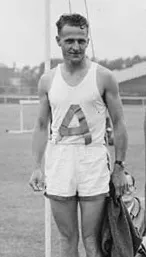
🏃 The First Fun Run 5K Was in 1970s New Zealand
The modern 5K fun run movement traces back to Arthur Lydiard, a legendary New Zealand running coach who organized community jogging events in Auckland in the 1960s and 70s. His philosophy that anyone could run for fitness, not just athletes, was revolutionary at the time. The idea spread to the US through the jogging boom of the 1970s. Today over 30,000 5K events are held in the US annually, raising billions for charities. The most registered 5K in the world is the Color Run, which has had over 6 million participants since 2012, proving Lydiard right: anyone really can run 3.1 miles.
Join the conversation
Already have an account? Log in